


Paper, please: The box that did more with less
How Microsoft reduced single-use plastic in packaging to just 0.07%
– The estimated reading time is 8 min.

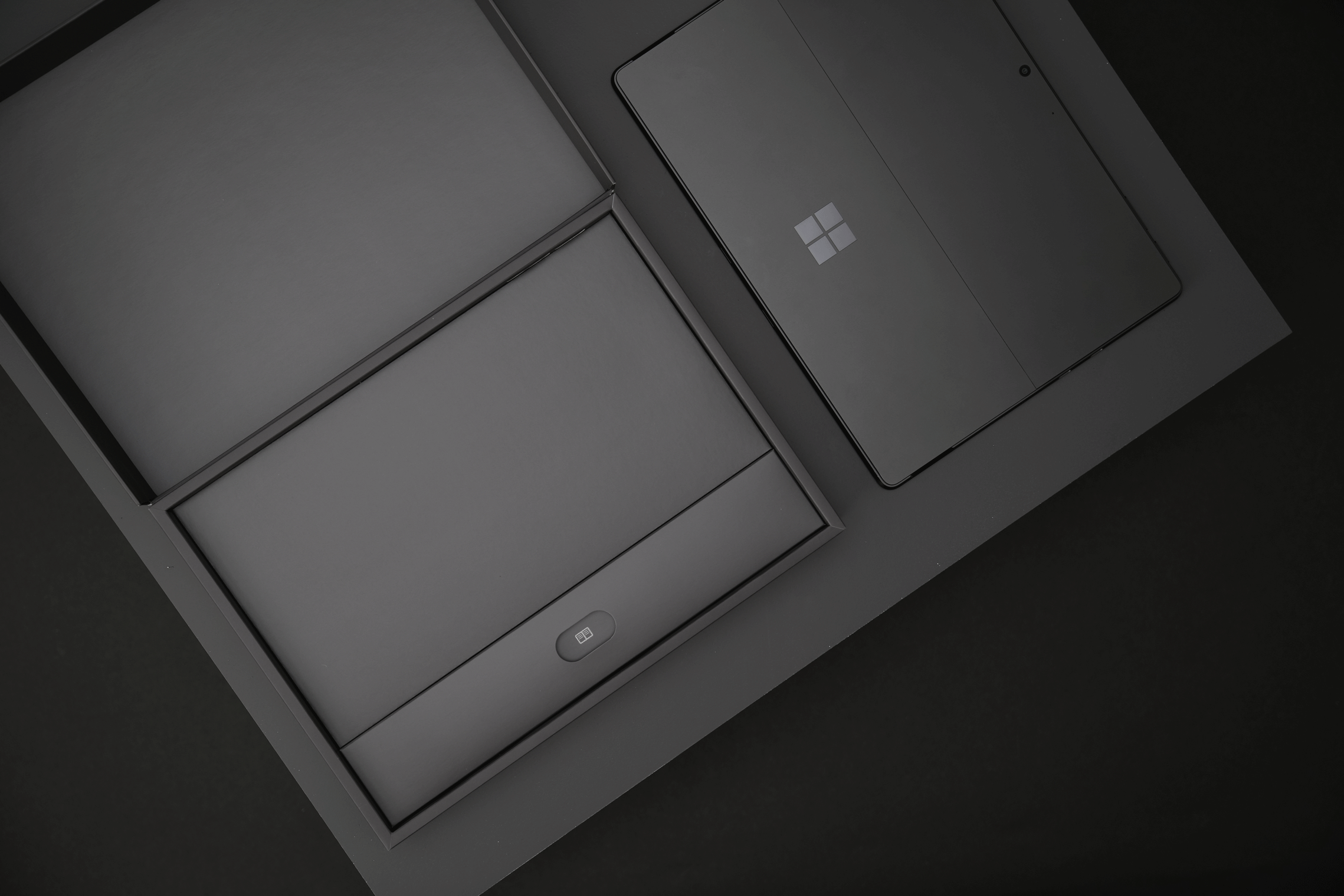
Before you even get to the device, the Surface Laptop makes a quiet statement. No plastic foam. No shrink wrap to wrestle through, no vacuum-sealed shell to fight open. A hinged lid that you can open with one finger to reveal the device nestled in a folded paperboard cradle. A paper sleeve. One color. Everything fits exactly as it should.
What looks effortless took hundreds of hours to engineer. Every angle, every tab, every hinge point was designed so that what protects your device also considers the world it exists in.

In 2020, Microsoft made a commitment to be a zero-waste company by 2030. This commitment would require rethinking not just what our products are made from, but the packaging they arrived in too.
A part of the larger commitment included a goal to eliminate single‑use plastics (SUP) from all legacy and future product packaging across hardware, software and repair packaging*.
That goal would become the north star for Project Alder, a cross‑company, cross‑disciplinary effort that brought together design teams, engineering groups, manufacturing operations, sourcing and materials management, sustainability, legal, as well as a global network of suppliers, all working to prove that products can safely reach consumers while also meeting our single-use plastic removal goal.
Rethinking the problem
In 2024, the Xbox Series X|S console packaging became one of the earliest testing grounds, not because it was simple, but because of how complex it was.
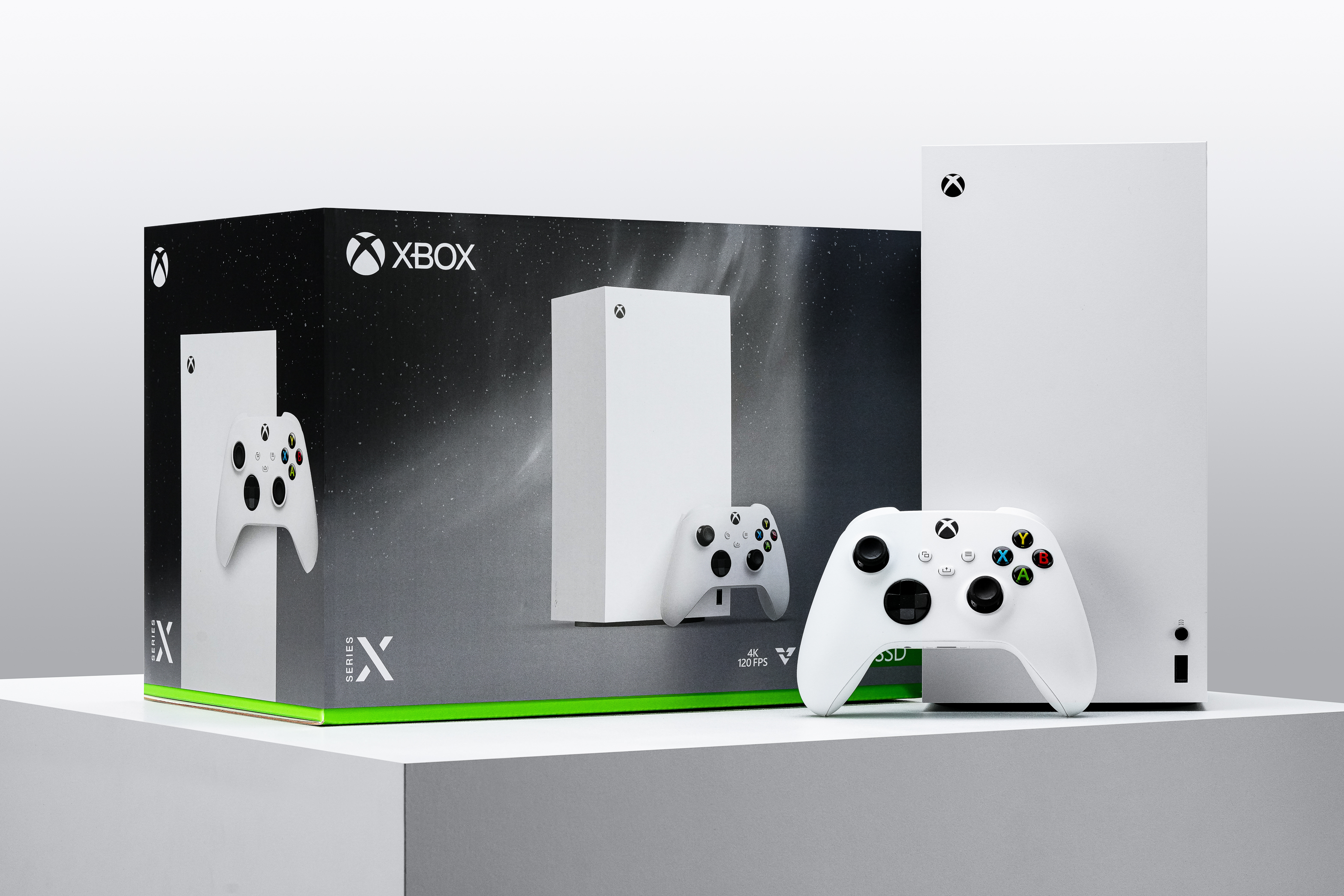
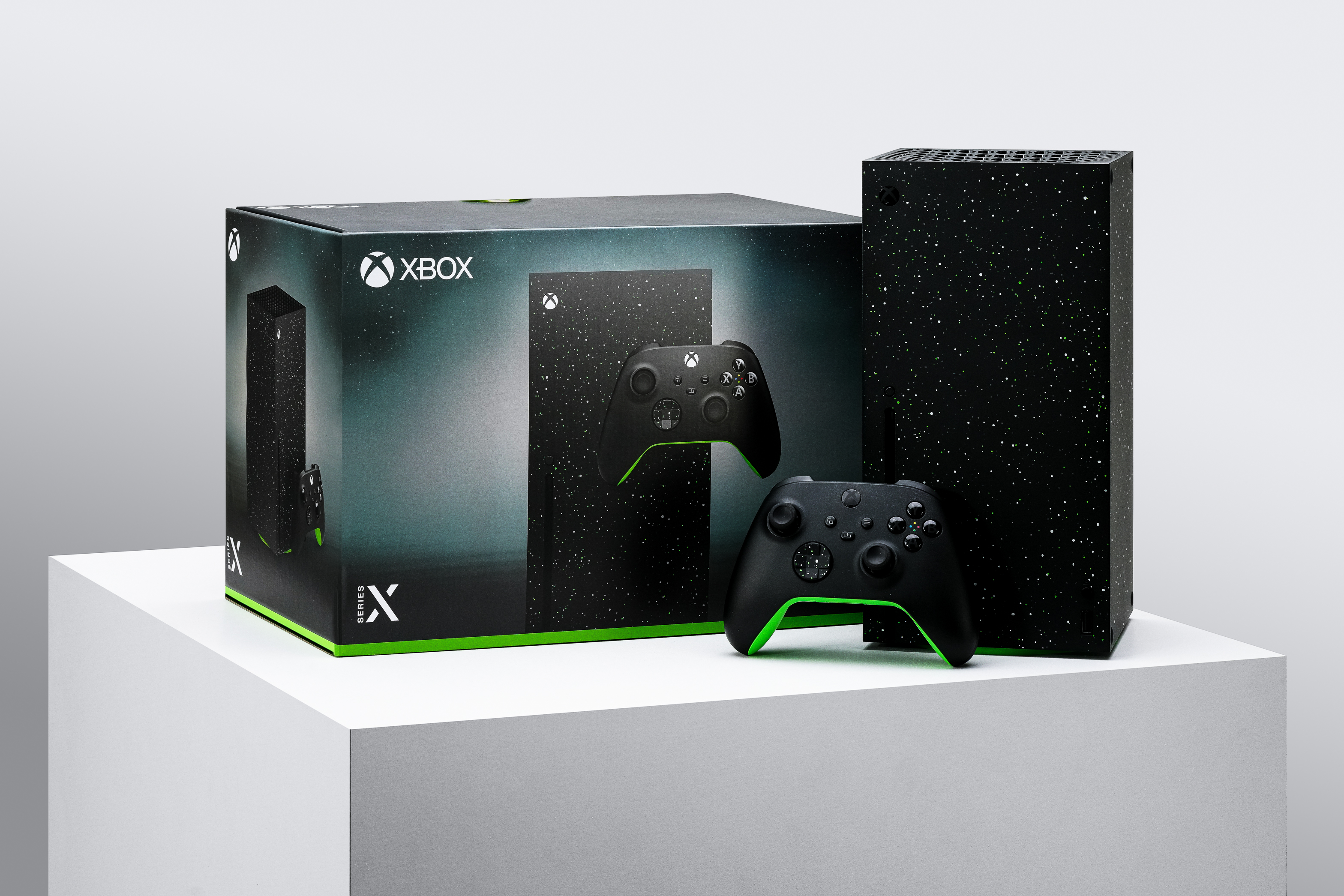
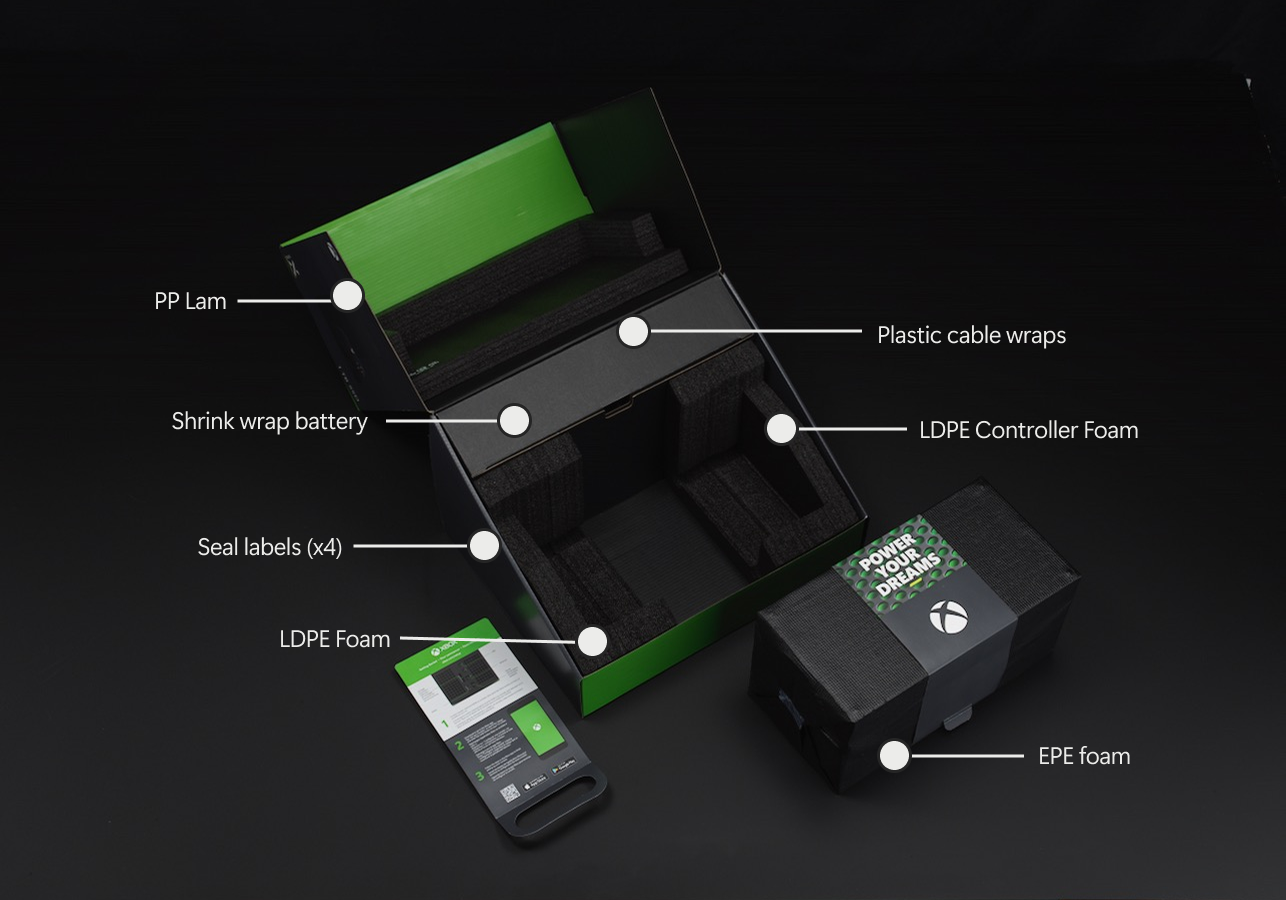
Historically, packaging has relied on plastic to do a lot of structural and functional work. It appears as foam inserts, shrink wrap, laminate coatings, adhesive tapes, films, sleeves, and bags, each solving for a different physical vulnerability. Try to replace it and new problems show up – moisture ingress, surface abrasion, electrostatic buildup, particulate contamination, or mechanical shock.
“Fundamentally,” Taylor Clow, one of the senior designers on Microsoft’s Packaging and Content (PAC) team, told me, “Plastic is not paper and paper is not plastic. They do not behave the same way.”
Finding a solution required looking at what plastic was solving for in the first place. “We had to stop and say,” Clow recalled, “what is causing the issue, and how can we solve that, not just put a band aid everywhere.”
The teams had to figure out how to solve for everything, from moisture to impact, ensuring any solution worked for players, retailers, and partners.
And none of the proposed solutions are the kind you can get off the shelf. Each had to be redesigned from the ground up, shifting the focus from individual material selection to system‑level engineering in collaboration with designers, engineers and material suppliers.
“When you think about it, with plastic, this was really not even a concern,” Carlos Nilo Poyanco, Packaging Engineering Director, who worked on Project Alder said, describing humidity testing for paper-based packaging. “It’s a known material with consistent, well‑characterized behavior, that is broadly used across the industry.”
Take humidity for instance. The team’s tests push packaging into extremes – 55 degrees Celsius or 131 degrees Fahrenheit, 85% humidity, conditions that are essentially hostile to paper’s strength. “We had to have a change of paradigm in how we address packaging,” said Poyanco. “How are we going to deal with humidity? How are we going to deal with corrosion, with abrasion? Everything from outside to the inside and vice versa had to be rethought.”
And then there was the problem of cushioning. Anything that is soft enough to protect it is almost always plastic-based. The industry has relied on foam for decades, because it is cheap, forgiving, and ubiquitous. “Foam absorbs impact by being big and soft,” Shrikant Tora, Senior Packaging Engineer, said. “With paper, we had to engineer that same protective effect through structure and precision.”
The team’s pride at reducing single-use plastic packaging is evident — and they have a lot to be proud of. At the end of calendar year 2025, Microsoft eliminated nearly all single-use plastic packaging across its portfolio. That means the big, obvious stuff like the inserts and the outer box, but it is also the details like the tabs and the tape that seals the boxes.
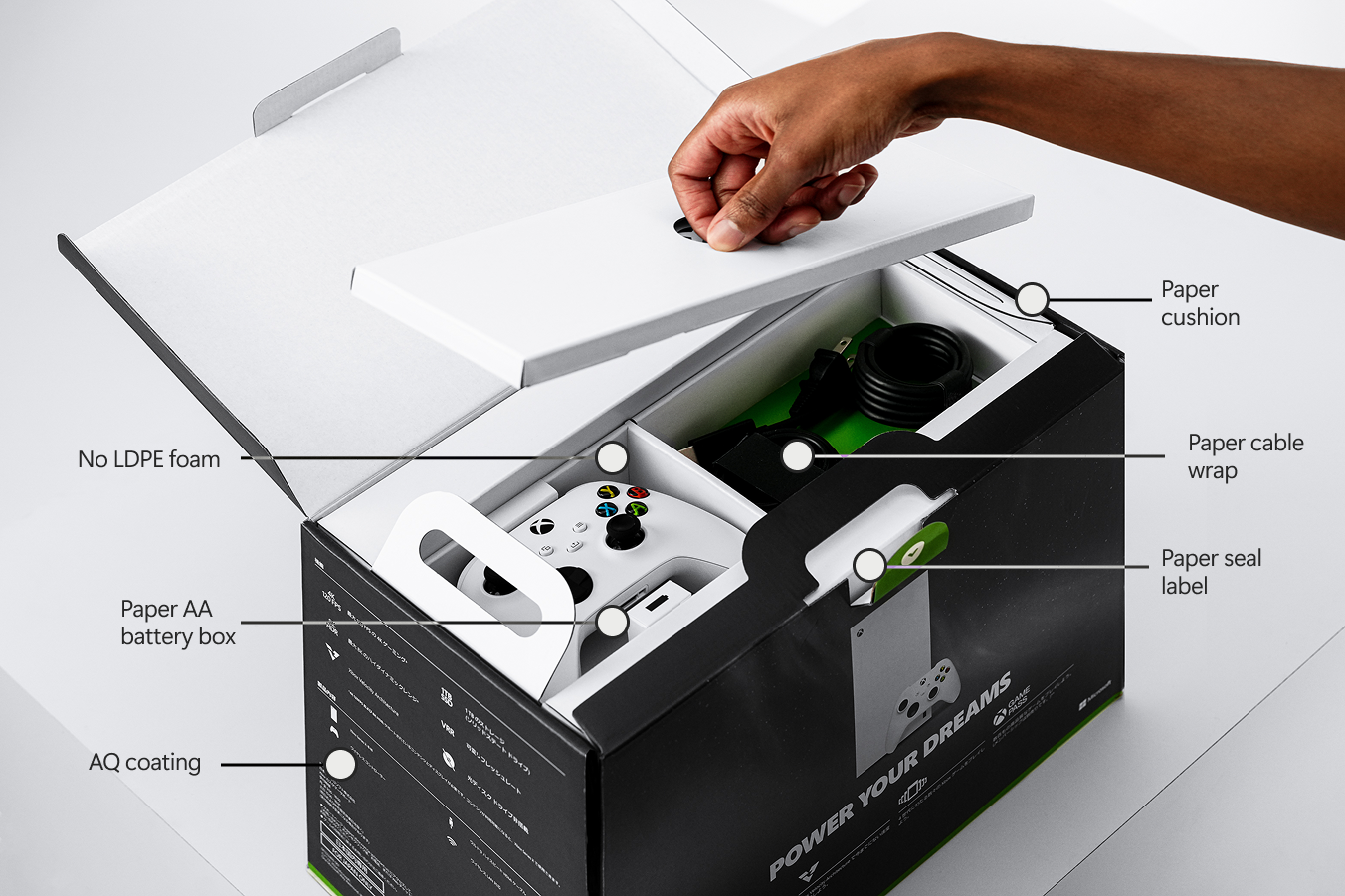
That pride comes, in part, from innovating the approach. The team developed an interlocking paper‑based cushioning system, a folded paper structure designed to flex under load and return to shape, behaving more like a spring. That redesign of the cushioning system was a result of months of experimental development and iterative testing to ensure consistent protection using fiber‑based materials.
The reduction in the use of plastic forced a cascade of other redesigns.
Without shrink wrap, the closure became a structural engineering problem; without plastic lamination, coatings had to be reformulated to be both strong and foldable. The coating effort involved extensive experimental development, including the creation of over 1,000 prototype boxes. It required evaluating paper, coatings, and inks as an integrated system, where changes to one component directly influenced the performance of the others.
“Even a seemingly simple element like the label required significant refinement to redesign for the new packaging system,” Clow said, pointing to the seal keeping the Xbox mid-gen box closed. “It had to be accessible to open, but it also had to work from a mechanical standpoint to keep the box closed. This one label redesign replaced 4 plastic seal labels compared to previous generation”
“What appears to be a simple platform beneath the surface devices is actually a paper‑based cushioning system,” Tora said. “Carefully engineered to deliver impact protection without relying on plastic materials”. Because paper compresses and responds to temperature fluctuations, packaging geometry had to be engineered with extreme precision: a variance of one to two millimeters risked either scratching the device through excessive tightness or allowing movement that could result in damage during transit.
And then there was the dust: fiber releases particulate under repeated drops and temperature shifts. “When you move to fiber‑based materials, repeated drops and temperature shifts can release particulate,” Tora said. “We had to design around that- introducing solutions like bamboo bag – to ensure nothing enters the device.”
The shift to fiber-based materials also unlocked unexpected opportunities in the supply chain, which extended beyond material use. Smaller packaging allowed more units to fit onto a single pallet, improving shipping density across manufacturing, warehousing and distribution. These efficiencies extended environmental benefits downstream: shipping fewer containers reduces fuel consumption, lowers CO₂ emissions, and reduces wear across transport infrastructure over time – all of which led to reduced overall costs.
“There are many assumptions in our industry around transitioning from plastic to paper packaging.” Nilo said. “One, that you are going to deteriorate the experience, and second, that it’s going to be more expensive.”
Project Alder proved both of those assumptions wrong.
You can’t manage what you can’t measure
Long before the 2020 zero‑waste commitment, teams had begun designing internal measurement systems to understand the environmental impact of packaging choices across new product launches — tracking material use, recyclability, and responsible sourcing as part of the broader product‑making process.
But those systems had only ever been applied to individual launches. Project Alder made measurement a portfolio‑wide effort to define scope, align stakeholders, and develop methodologies capable of tracking progress across thousands of packaging configurations.
“In addition to the technical work of eliminating plastics,” Jeff Loth, project lead on Alder, said, “there was a ton of work on developing the measurement systems as well.”
By the end of 2025 Microsoft had eliminated nearly all single‑use plastic from its primary product packaging across its global portfolio, reducing single-use plastics to 0.07%, without compromising quality, accessibility, or customer experience.
According to Microsoft’s Director of Circular Economy Strategy, Alessandra Pistoia, “Project Alder demonstrated that sustainability doesn’t have to be a trade‑off with other business priorities. With the right governance, design, and engineering working together, sustainability can improve how products are delivered at scale and drive positive outcomes in our environment.”
For most consumers, the work remains invisible. But now you know that the packaging that is protecting your device is designed to help reduce our plastic impact on the planet, too.
*For product packaging, single-use plastic metrics cover all Microsoft hardware packaging (retail and commercial) and consumer software packaging, and exclude impact from inks, adhesives, coatings, label liner material material that is removed before a label is applied, and electrostatic discharge (ESD) packaging components. More information can be found here: 2025 Environmental Sustainability Report | Microsoft
Read more
To stay in the know with Microsoft Design, follow us on Twitter and Instagram, or join our Windows or Office Insider program. And if you are interested in working with us at Microsoft, head over to aka.ms/DesignCareers.

Designing Michelangelus
Inside the making of a contemporary serif font inspired by one of history’s most influential visionaries.
Proof and possibility
On becoming Microsoft’s first Chief Design Officer

Outcomes over output: Designing shared cognition
How we are shaping systems that help people think better, not just type faster.